XF-Press
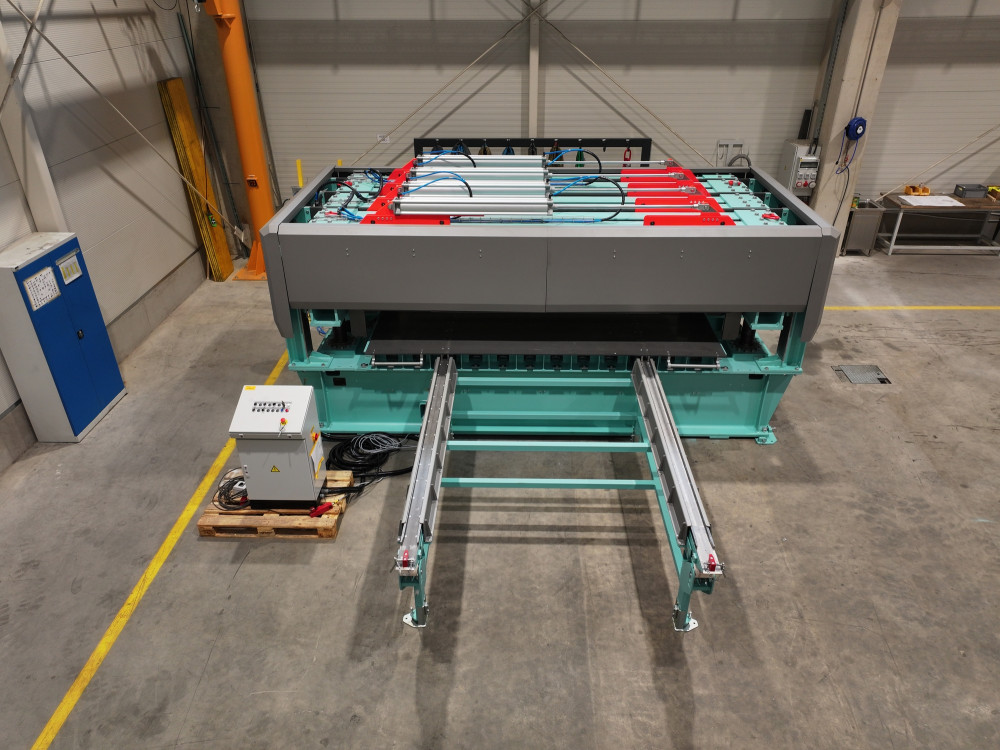
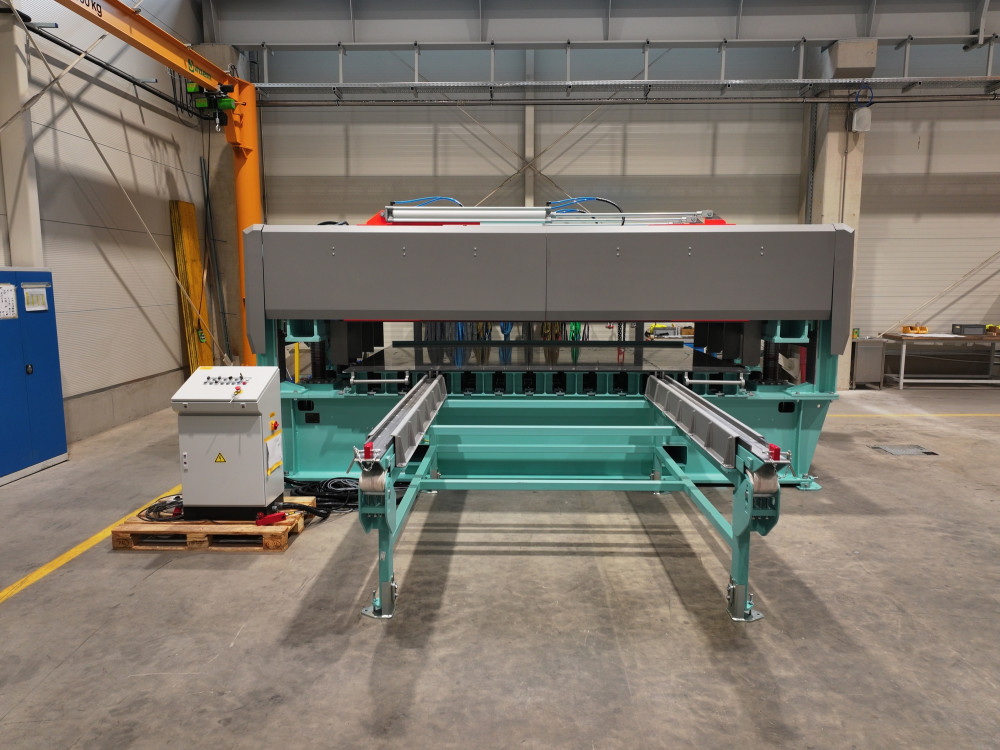
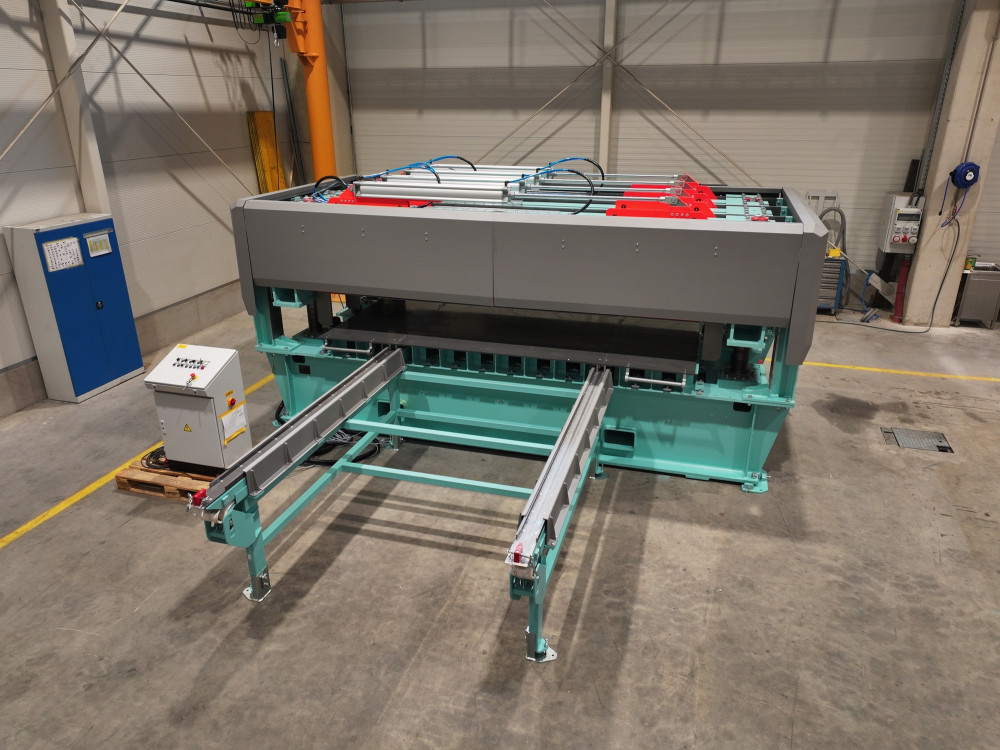
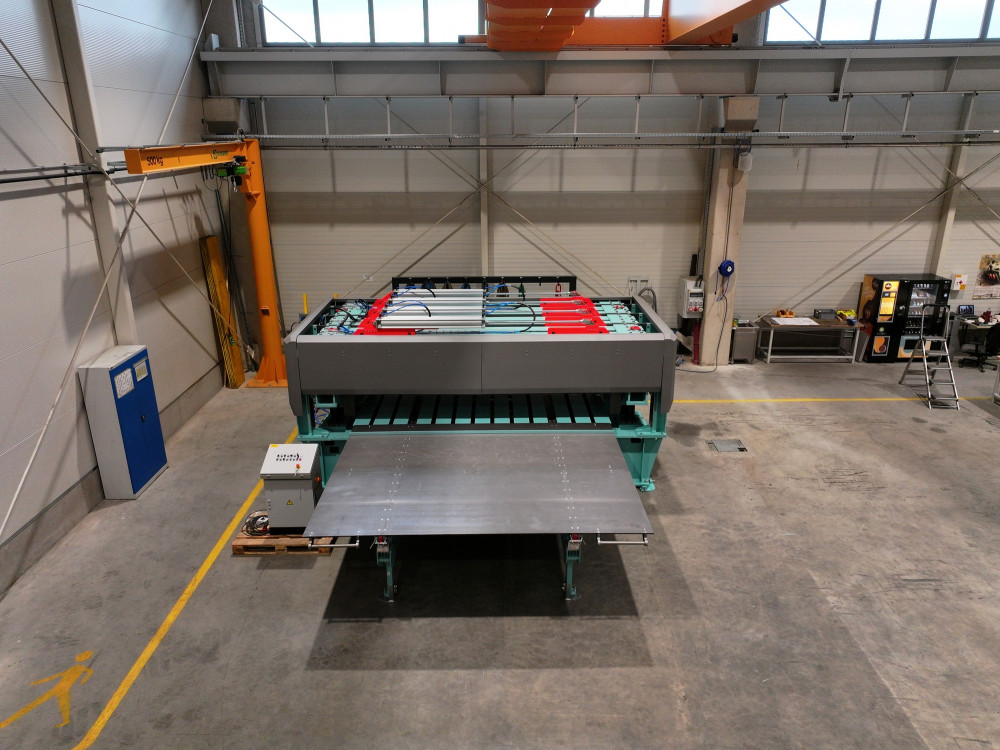
XF-Press – the flexible laboratory press, built around your product
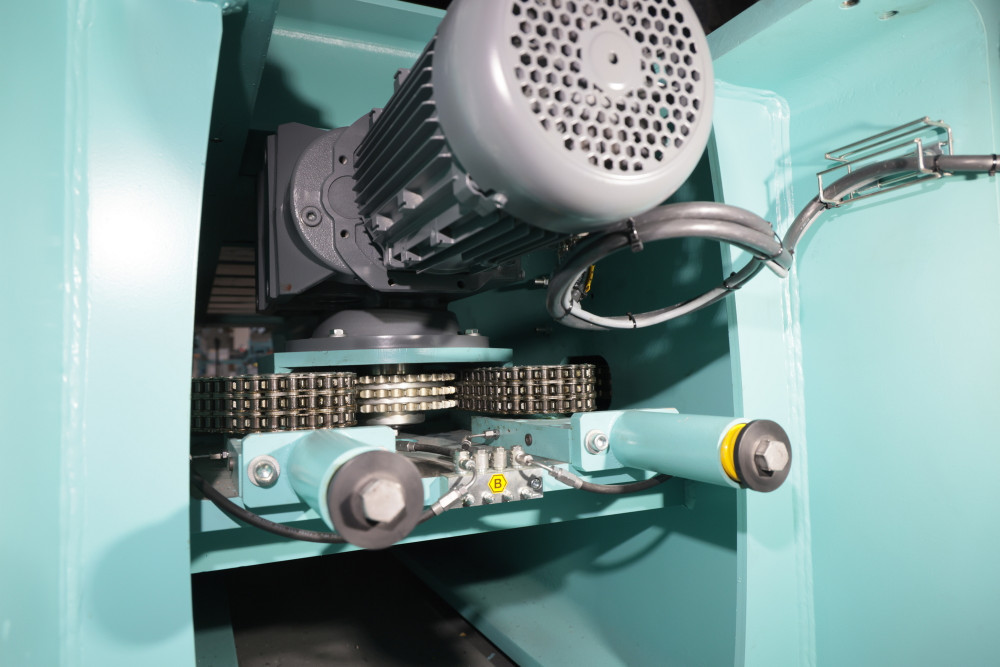
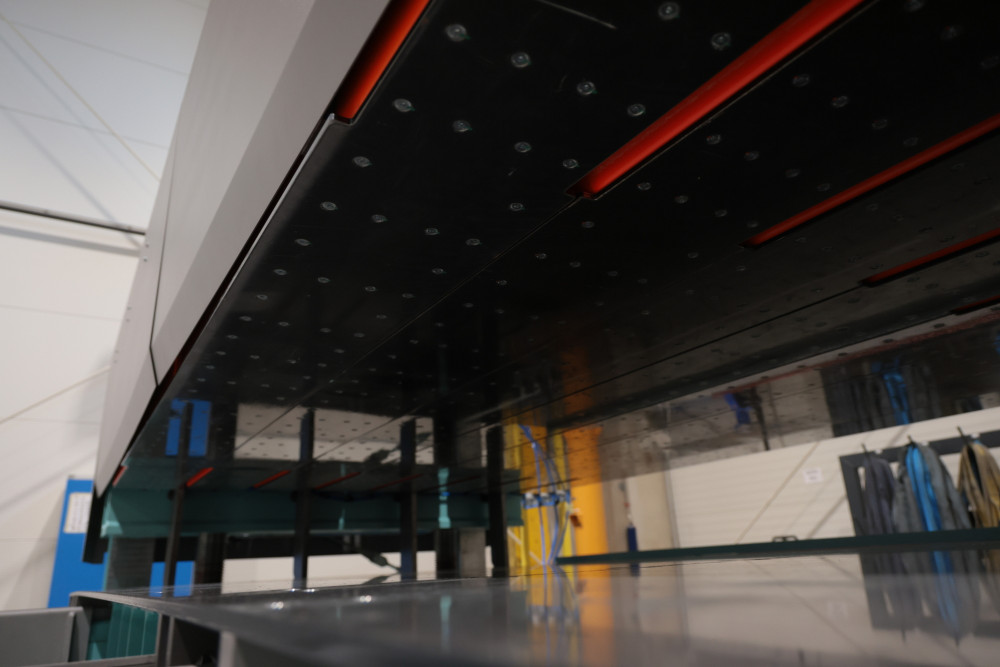
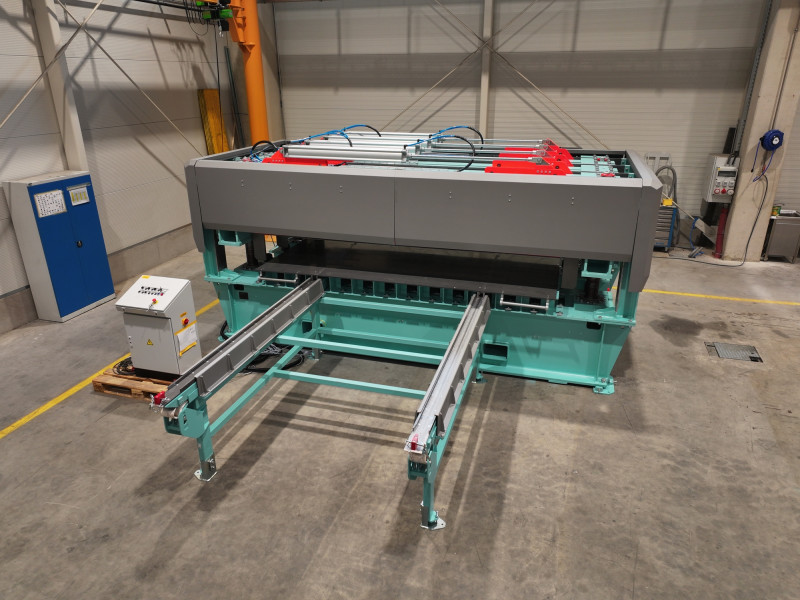
Tell us what you want to produce and test – CLT, glulam, multilayer panels, hybrid or insulated wall elements, or something completely new. We design the XF-Press around your specimens, your adhesive and your test plan. Pressing is fully pneumatic and positioning is electrically driven. The press can be operated manually, semi-automatically or fully automatically, and your results transfer directly to Ledinek production lines.
1. Intended users
- Universities and research institutes – research and teaching on engineered timber, specimens for structural and fire testing.
- R&D departments of timber component manufacturers – developing new products and optimising pressing parameters before production.
- Makers of modular timber, hybrid and insulated wall elements – testing new layups and material combinations.
- Adhesive and process material manufacturers – comparing adhesive systems under defined pressure and time.
- Companies planning a production investment – validating the process before scaling up to an X-Press line.
2. Key benefits
- Built around your product – actuator layout, work surface, mounting points, pneumatic valves and pressure regulators are adapted to your specimens and test procedure.
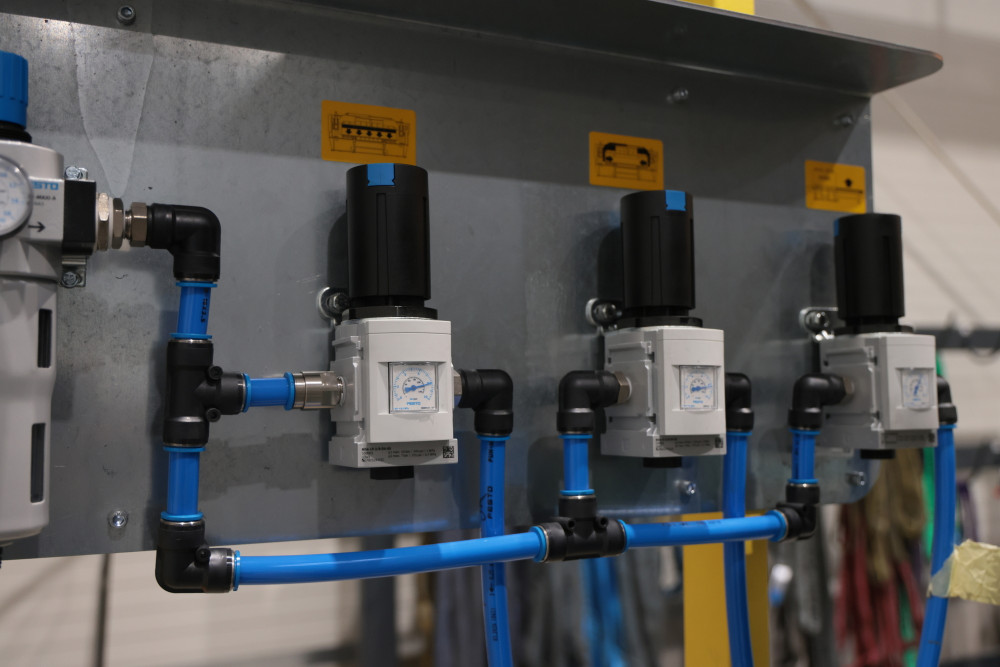
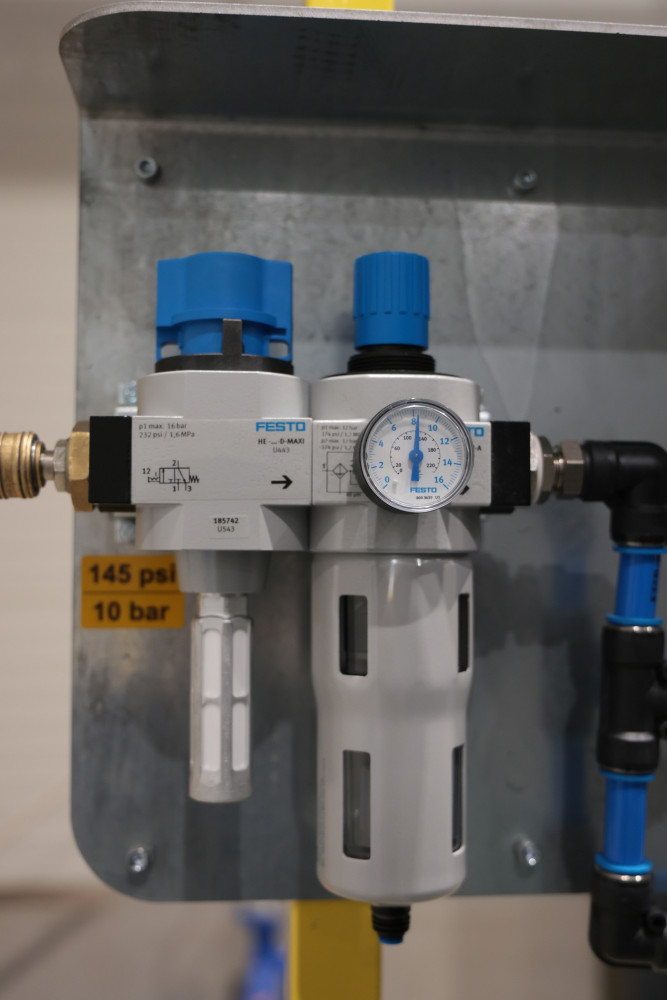
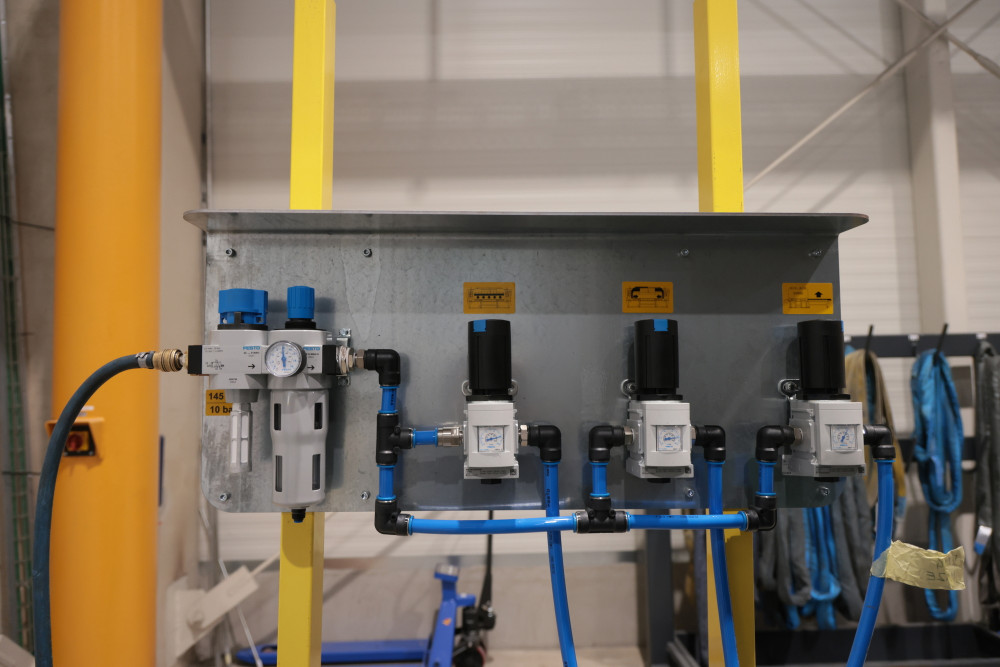
- Fully pneumatic pressing – no hydraulic unit and no hydraulic oil in the laboratory; pressure is set and monitored with regulators and valve assemblies.
- Electrically driven positioning – precise, repeatable positioning of the pressing elements.
- Scalable automation – manual, semi-automatic with stored recipes, or fully automatic, with measurement and data logging chosen for your application.
- Easy access – open frame and clear worktable for fast specimen preparation and quick changes between test series.
- From lab to production – closer to production conditions than small lab equipment; proven parameters transfer to the X-Press family.
- Grows with your project – add automation, sensors or data logging later.
3. Applications
- Developing and comparing adhesive systems under the same pressure and time.
- Testing timber, multilayer and composite elements – CLT, glulam, hybrid and insulated wall elements.
- Optimising pressing pressure, time and sequence before production.
- Preparing specimens for mechanical and other testing.
- Pilot, demonstration and educational projects.
- Feasibility studies and process concept validation.
4. Technical data
|
Working area (length × width) |
Designed around your specimen size |
|
Pressing thickness |
Designed around your layup |
|
Specific pressure |
Typically up to 1 N/mm², adapted to your project |
|
Pressing drive |
Fully pneumatic |
|
Positioning |
Electrically driven |
|
Operation |
Manual, semi-automatic or fully automatic |
|
Measurement and data logging |
According to your application |
Your product doesn’t fit these values? That’s what the XF-Press is for – tell us about your project and we’ll design the press around it.
5. Call to action
Tell us what you want to produce – we’ll advise the best solution for your needs. Describe your product and what you want to test. Our engineers will recommend the right working area, pressure, automation and measurement for your project. Tell us more about your project . Send all the information about it to: info@ledinek.com
6. Related products
From the laboratory to production: scale up your results on the X-Press family.
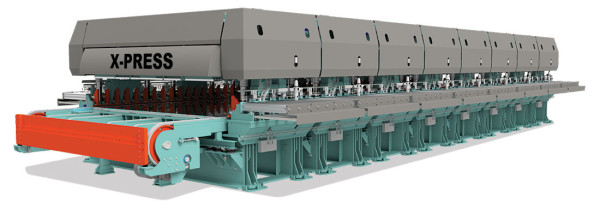
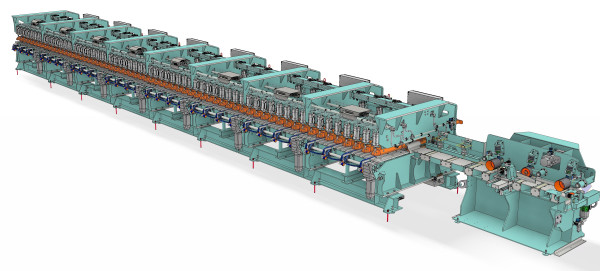
X-Press · XM-Press · XS-Press · XT-Press · Z-Press
Key benefits
- Configuration tailored to the product. The actuator layout, working surfaces, mounting points, pneumatic valves and pressure regulators are adapted to the product, test specimen and research procedure.
- From manual to fully automatic operation. The operating method, cycle automation, measurement systems and data logging are specified according to the intended application and the customer’s requirements.
- Control of pressure and individual functions. Regulators and valve assemblies allow pneumatic functions to be clearly set and monitored. Show these components on the website in separate close-up photographs.
- Easy access to the working area. The open frame and clearly laid-out worktable make it easier to prepare, position and remove test specimens and change the configuration.
- Development at pilot scale. Users can evaluate processes and materials at a scale that more closely reflects production conditions than conventional small laboratory equipment.
- Scope for expansion. Control, measurement and mechanical functions are specified according to the research project. The final options should be described once the technical configuration has been confirmed.
Application
- development and comparison of adhesive systems
- testing of timber, multilayer and composite elements
- optimisation of pressing pressure, time and sequence
- preparation of specimens for subsequent mechanical or other testing
- pilot, demonstration and educational projects
- feasibility studies and validation of the process concept